Crawl space encapsulation vs. vapor barrier
Both put plastic on the ground, so they are easy to confuse. The difference is what happens to the air: a vapor barrier leaves the crawl space vented, while encapsulation seals and dries it.
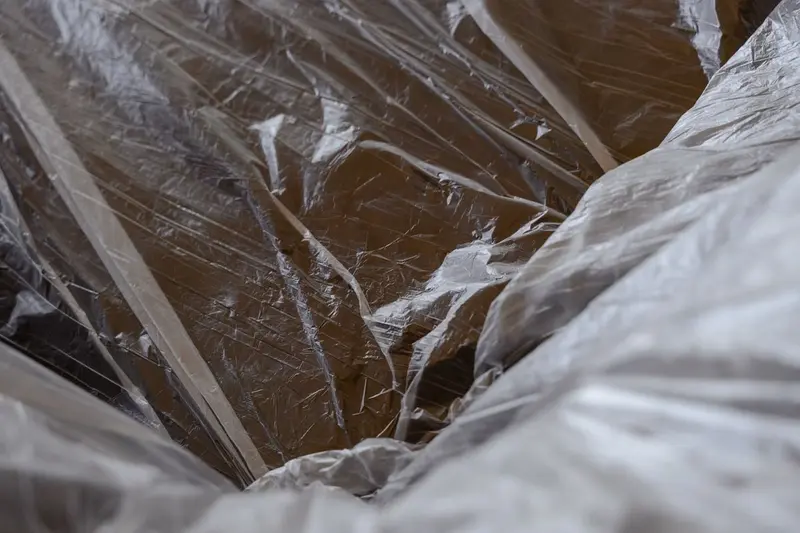
What a vapor barrier is
A vapor barrier, also called a ground cover or vapor retarder, is a sheet of polyethylene laid over the soil in a crawl space. Its job is narrow and important: stop water vapor from evaporating out of the ground and into the crawl space air. The vents stay open, the floor insulation stays in the floor, and the crawl space remains outside the house in building terms.
Builder-grade vapor barriers are often 6-mil plastic laid loosely with gaps at the seams and the walls. A good one covers every inch of soil, overlaps its seams, runs up the walls and piers and is heavy enough not to tear. See vapor barrier installation.
What encapsulation adds
Encapsulation starts with the same idea and finishes the job. A heavier liner, usually 12 to 20 mil and reinforced, covers the ground and runs up the foundation walls. Seams are taped and piers wrapped so the membrane is continuous. The foundation vents are sealed, the rim joist is sealed and insulated, and a gasketed access door replaces the old hatch. Because the space is now closed, a dehumidifier or a supply of conditioned air removes the remaining moisture. The crawl space becomes part of the house. See crawl space encapsulation.
Side by side
| Vapor barrier | Encapsulation | |
|---|---|---|
| Ground cover | Yes, often 6 to 12 mil | Yes, usually 12 to 20 mil reinforced |
| Walls | Partway up, if at all | Lined or insulated to near the top |
| Seams | Overlapped | Overlapped and taped |
| Vents | Open | Sealed |
| Humid outdoor air | Still comes in | Kept out |
| Moisture removal | None | Dehumidifier or conditioned air |
| Floor insulation | Stays in the floor | Moves to the walls and rim |
| Relative cost | Lower | Higher |
How each performs in a Triangle summer
This is where the difference shows. A vapor barrier cuts the moisture coming up from the ground, which helps all year. But in summer, a large share of the moisture in a vented crawl space arrives through the vents as warm, humid outdoor air, and the vapor barrier does nothing about it. Ducts can still sweat, joists can still reach mold-friendly moisture levels, and the musty smell can persist, even over brand-new plastic.
An encapsulated crawl space keeps that outdoor air out and dries what remains, so humidity stays near the dehumidifier’s setting, usually 50 to 55 percent, through the most humid months.
When a vapor barrier is enough
A vapor barrier on its own can be the right call when:
- Humidity readings stay moderate, below about 60 to 65 percent, even in summer
- There is no condensation on ducts and no mold on the framing
- The main issue is torn or missing plastic
- Budget is tight, and a heavier liner now can become part of an encapsulation later
When encapsulation is the better buy
Encapsulation is usually worth it when:
- Ducts or the air handler run through the crawl space
- Summer humidity runs high, or ducts sweat
- There is a musty smell in the house, mold on the framing or falling insulation
- Floors are cold in winter
- You plan to stay in the house, or want a clean inspection report when you sell
The encapsulation cost guide breaks down what each part of the job adds to the price.
Upgrading from a vapor barrier later
Starting with a vapor barrier does not lock you in. If the ground liner is heavy, reinforced and properly installed, it can be kept and extended up the walls, the seams taped, the vents sealed and a crawl space dehumidifier added when the time comes. Thin 6-mil plastic is usually torn out and replaced at that point, which is why choosing a heavier liner up front often saves money over the long run.
Common mistakes with each
With vapor barriers: plastic laid without overlapping the seams, strips of bare soil left along the walls, liners laid over standing water, and plastic so thin it tears on the next service visit. Each one leaves a path for ground moisture.
With encapsulation: sealing the vents but adding no dehumidifier or conditioned air, so the space stays damp; liners that stop short of the top of the wall; seams left untaped; a sump left open; and closing a crawl space that still floods, which hides the water under plastic. Another common miss is a gas appliance that drew combustion air from the crawl space, which has to be dealt with before the space is closed.
What homeowners notice afterward
After a vapor barrier, the crawl space usually looks cleaner and the soil stops smelling earthy, but summer humidity readings may change only modestly. After a full encapsulation, the changes are bigger: humidity holds steady through the summer, ducts stop sweating, the musty smell in the house fades over a few weeks, and floors above feel warmer in winter.
Encapsulation vs. vapor barrier — common questions
Is a vapor barrier the same as encapsulation?
No. A vapor barrier is only the ground cover. Encapsulation adds sealed vents, wall coverage or insulation, taped seams and a dehumidifier.
Can I start with a vapor barrier and encapsulate later?
Yes, if the liner is heavy enough and installed well, it can become part of a later encapsulation. Thin 6-mil plastic usually gets replaced.
Which is better for a humid climate?
Encapsulation, because it controls the humid outdoor air that causes most summer moisture problems in Triangle crawl spaces.
Does a vapor barrier alone stop mold?
It reduces moisture from the soil, but if humid air still comes in through the vents, mold can keep growing on the framing.
More crawl space guides
Want someone to look under your house?
Call and describe what you are seeing or smelling, or send the details and we will follow up.