Water in the crawl space: causes and fixes
Puddles on the plastic, mud along the walls or a crawl space that stays wet for days after a storm all mean liquid water is getting in. It has to be stopped before anything else under the house is worth fixing.
What you may notice
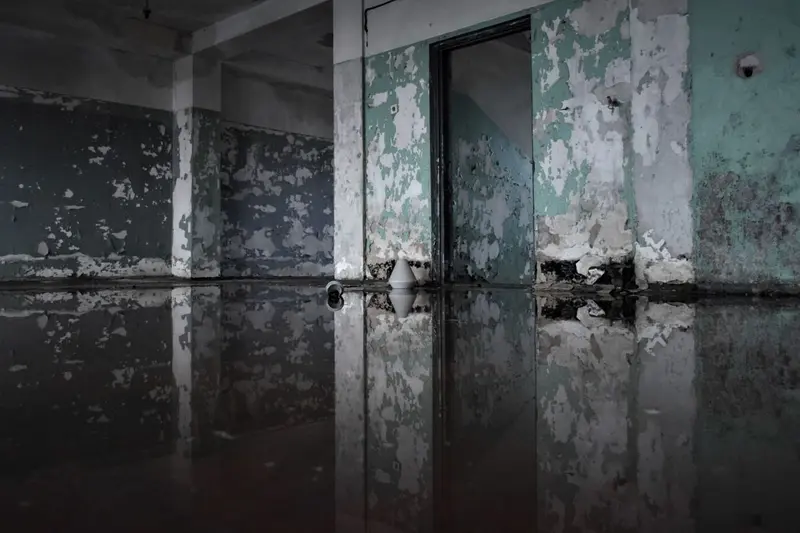
- Standing water or puddles on the plastic after rain
- Mud, silt lines or stains along the foundation walls
- Soil that stays damp for days after a storm
- Water staining on piers and the bottom of the walls
- Water pooling near downspouts outside
Book a crawl space inspection
Readings, not guesses
Inspections record humidity and wood moisture readings, with photos of what is under the house, so you can see the problem yourself.
The cause fixed first
Water and humid air are stopped before anything is sealed, so a new liner never hides a problem that keeps going.
A written, itemized price
Every part of the job is listed and priced in writing before work starts, so you can choose what to do now and what can wait.
Where the water is coming from
Water in a crawl space comes from one of three places, and the fix depends entirely on which:
- Rain and surface water from the roof and the yard, running toward the house and soaking down along the foundation.
- Groundwater rising through the soil on low lots, near creeks or in dense clay that holds water close to the surface.
- Water from inside the house: plumbing leaks, condensate lines, water heaters and sweating ducts.
When the water shows up is the best clue. Within hours of a storm points to surface water. Days after a long wet spell, or seeping up in the middle of the floor, points to groundwater. In dry weather, it is almost always coming from the house itself.
Recurring water leaves evidence even when the crawl space is dry on the day you look: silt lines and mud stains on the walls, rust on metal hangers and pipes, white mineral deposits on the block, and plastic with dried sediment on top.
Rainwater: gutters, downspouts and grading
Most crawl space water in the Triangle starts on the roof. A typical roof sheds a lot of water in a heavy storm, and a single downspout discharging at the foundation concentrates it right where it does the most harm. Clogged gutters overflowing along one side of the house do the same. Add soil that slopes toward the house, often because backfill settled after construction, and the water has a direct path to the footings.
These are also the cheapest problems to fix: extending downspouts, cleaning or resizing gutters, and regrading so the soil falls away from the foundation. See crawl space waterproofing.
Groundwater and wet clay
Piedmont clay drains slowly, and in parts of the Triangle, including areas around Morrisville, Research Triangle Park and western Cary, the soils formed over an old geologic basin are especially dense and slow to drain. After a long rainy stretch, water can sit in the soil around and under the foundation for days. Lots near creeks, in low spots or downhill from neighbors collect even more. Grading cannot fix groundwater; it takes an interior perimeter drain and a sump pump to collect it and move it out.
Water from inside the house
When water appears without rain, look up. Common culprits include a slow drip at a supply line or drain fitting, a cracked drain pipe under a tub or shower, a leaking water heater, an air conditioning condensate line that came loose and drains straight onto the ground, and ducts or cold water pipes sweating in summer. These leaks soak a small area rather than the whole floor, and the wood right above them is usually wet too. They are fixed at the source by a plumber or HVAC contractor, and the wet framing is checked for damage.
How crawl space water gets fixed
The order matters:
- Fix gutters, downspouts and grading outside.
- Repair any plumbing or condensate leaks.
- Install a perimeter drain and sump where water still gets in.
- Then seal the space with crawl space encapsulation, so humidity stays down once the water is gone.
Skipping straight to step four, laying a liner over a wet crawl space, only hides the water under plastic, where it keeps the framing damp.
Drying out after a flood
After a major storm or a burst pipe, standing water should be pumped out quickly, and soaked insulation should be pulled down and removed, since wet fiberglass holds water against the subfloor for weeks. Fans and a dehumidifier help the space dry, and wood moisture readings show when the framing is back to normal. If water sat for days, check for wood rot and mold before closing anything back up.
Water in the crawl space — common questions
Is a little water in the crawl space normal?
No. Some dampness in the soil is normal, but standing water, or soil that stays wet after storms, is not, and it raises the humidity under the whole house.
Why is there water in my crawl space when it has not rained?
Look for plumbing leaks, a disconnected air conditioning condensate line, a leaking water heater or sweating ducts and pipes. Water that appears in dry weather usually comes from inside the house.
Should I pump the water out myself?
Removing it helps the wood dry, but it will come back. Finding and stopping the source is what matters.
Will a vapor barrier stop the water?
No. Plastic stops moisture rising from damp soil, but liquid water runs over and under it. Water has to be drained first.
Related crawl space problems
Not sure what is going on down there?
Call and describe what you are noticing, or send the details and we will follow up.