Camel crickets and pests in the crawl space
Camel crickets jumping out of the crawl space door, droppings on the plastic, a nest in the insulation: pests in a crawl space are almost always a sign that it is damp, open or both.
What you may notice
- Camel crickets in the crawl space, garage or basement
- Droppings, nests or chewed insulation
- Scratching or scurrying under the floor at night
- Termite mud tubes on piers or foundation walls
- Gaps around pipes, vents or the access door
Book a crawl space inspection
Readings, not guesses
Inspections record humidity and wood moisture readings, with photos of what is under the house, so you can see the problem yourself.
The cause fixed first
Water and humid air are stopped before anything is sealed, so a new liner never hides a problem that keeps going.
A written, itemized price
Every part of the job is listed and priced in writing before work starts, so you can choose what to do now and what can wait.
Why pests like crawl spaces
A crawl space offers everything many pests want: darkness, shelter from weather and predators, steady temperatures and, in a damp one, moisture. Fallen insulation provides nesting material, debris provides cover, and gaps in the foundation provide a way in. The common thread is that the worst pest problems show up in crawl spaces that are humid and full of openings, and they ease once the space is dry and sealed.
Camel crickets
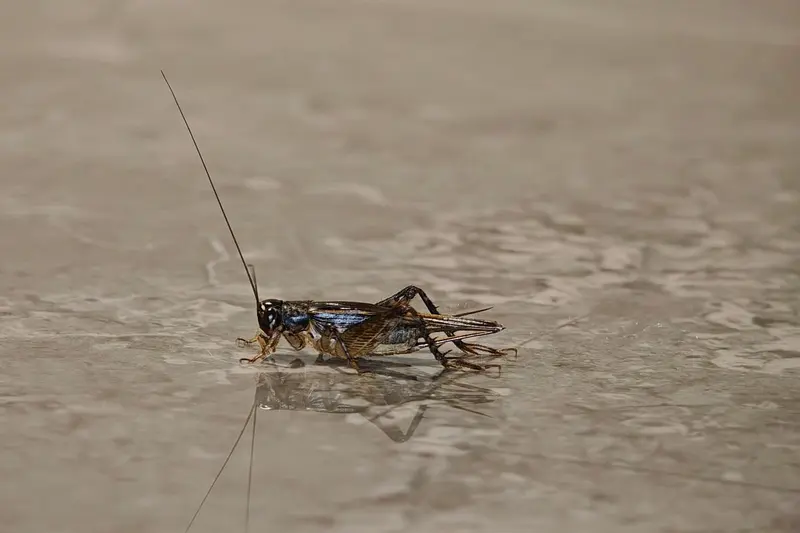
Camel crickets, also called cave or spider crickets, are among the most common crawl space pests in North Carolina. They are humpbacked and long-legged, they jump toward you when startled, and they cannot chirp. They need high humidity to survive and gather by the hundreds in damp crawl spaces, basements and garages, often wandering into the house from there.
Spraying kills the crickets in view but does little about the conditions that keep producing them. Lowering the humidity under the house, sealing the vents and access door, and removing debris and fallen insulation where they hide does far more. Many homeowners notice camel crickets thin out dramatically within a season of their crawl space being sealed and dried.
Mice, rats and other animals
Mice and rats get in through open or broken vents, gaps around plumbing and wiring, a loose access door and spaces at the rim joist. A mouse can fit through a gap about the size of a dime. Once inside, they nest in insulation, chew on wiring and ductwork, and leave droppings across the plastic. Opossums, raccoons and stray cats sometimes use larger openings, and snakes occasionally follow the rodents.
Cleanup is done with care, because rodent droppings can carry disease: nesting material and droppings are wetted with disinfectant before removal rather than swept or vacuumed dry. See crawl space cleanout. Trapping removes the animals inside, and sealing the entry points keeps the next ones out.
Termites and other wood-destroying insects
Eastern subterranean termites live in the soil throughout North Carolina, and crawl spaces are a common route into houses. They build mud tubes up piers and foundation walls to reach the wood, and they favor damp framing. In Triangle real estate deals, a wood-destroying insect report is a standard part of the buyer’s inspection, and it often notes “conducive conditions”, things like wood touching soil, high moisture and debris, that make termite activity more likely.
Termite treatment belongs to a licensed pest control company. Crawl space work helps in other ways: it removes wood scraps and debris from the soil, dries the framing and, in closed crawl spaces, keeps an inspection gap at the top of insulated walls so mud tubes stay visible.
Roaches, spiders and other insects
Damp crawl spaces support more than crickets. Large roaches, often called palmetto bugs, live outdoors and under houses in damp, sheltered spots and wander indoors from there. Spiders follow the crickets and other insects they feed on. Silverfish and earwigs favor the same humid conditions. Each responds to the same changes: less moisture, fewer hiding places and fewer ways in.
Keeping pests out for good
The approach that lasts combines sealing, drying and clearing:
- Seal vents, gaps around pipes and wires, and the rim joist, and replace a flimsy hatch with a tight, gasketed door; see vent covers and access doors.
- Dry the space with crawl space encapsulation and a dehumidifier.
- Remove debris, fallen insulation and wood scraps from the ground.
- Outside, keep mulch, firewood and dense shrubs back from the foundation, where they shelter pests right next to the openings.
A sealed, dry, clean crawl space gives pests very little reason to stay.
Camel crickets and pests — common questions
Why do I have so many camel crickets?
Camel crickets live in cool, damp, dark places, and a humid crawl space suits them perfectly. Drying the space and sealing the openings makes it far less inviting.
Are camel crickets harmful?
They do not bite or spread disease, but large numbers are unpleasant, and they can chew on stored fabric and paper. Mostly they are a sign of a damp crawl space.
How do rodents get into a crawl space?
Through open or broken vents, gaps around pipes and wires, a loose access door and openings at the rim joist. Mice can squeeze through very small gaps.
Who handles termites?
Termite treatment is done by a licensed pest control company. Crawl space work makes termite activity easier to see and keeps the inspection gap open at the top of insulated walls.
Related crawl space problems
Not sure what is going on down there?
Call and describe what you are noticing, or send the details and we will follow up.